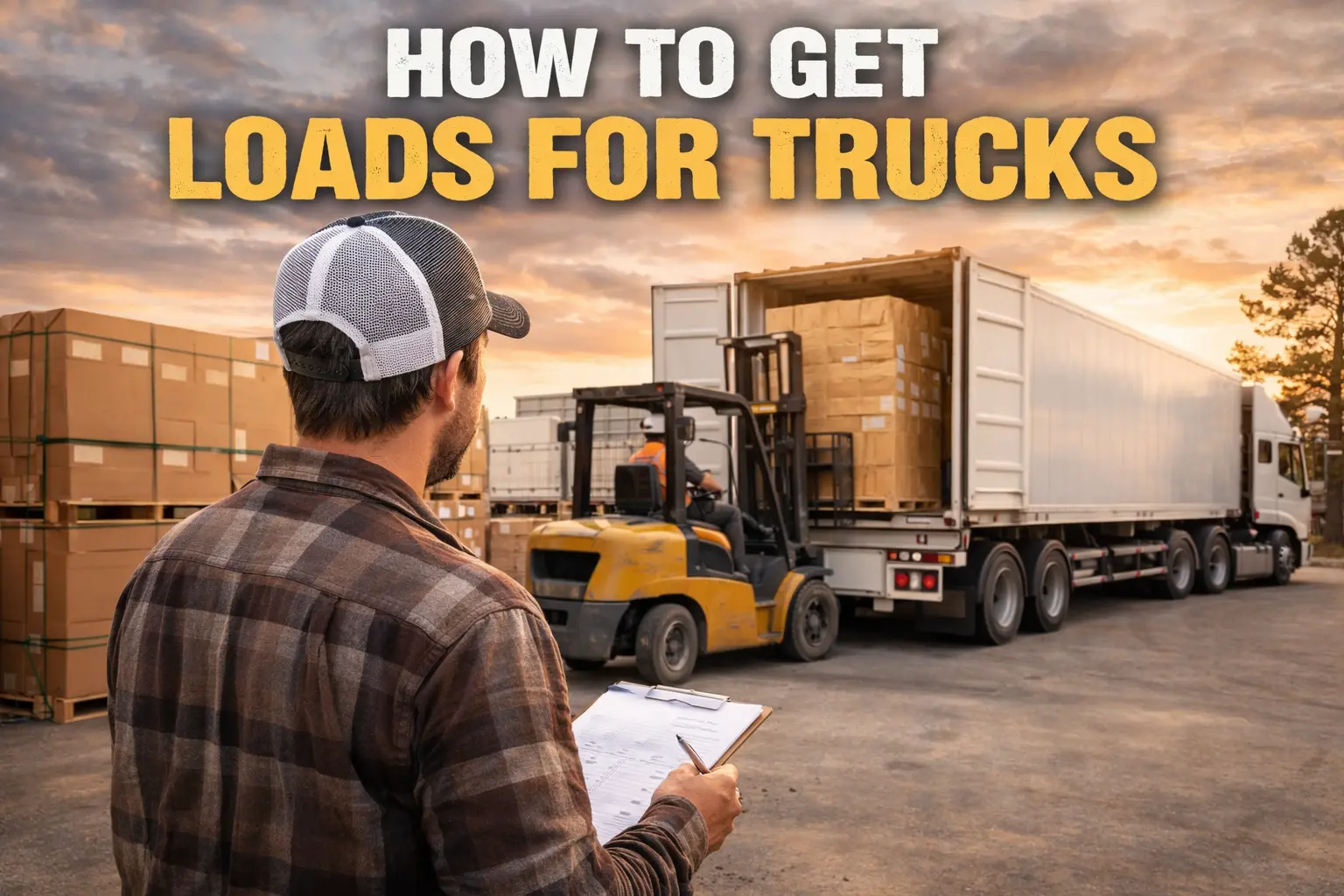
Finding consistent loads is one of the largest challenges in all of trucking if you’re either an owner-operator or running a small fleet. Empty miles, low-paying freight and time spent looking for loads can easily eat up your profit.
There are several ways that truck drivers find freight nowadays, from load boards and brokers to direct relationships with shippers and dispatch services. The right thing to do depends on your equipment, lanes and how much time you feel like spending searching and how much time driving.
Practical, real-life strategies used to keep trucks loaded and how dispatch support fits in the picture are below.
The Significance of Finding More Loads for Truck Drivers
You cannot stay loaded on the weight, just on the volume – being consistent is what it’s all about. Missed reloads, waiting long for you to get served at the lane, and selecting the wrong lane often cost drivers more than low rates. That’s why knowing where and how to locate the right loads is as important as locating loads at all.
Although these innovations have been widely adopted by trucking companies, the general goal is to haul loads, and the significance of finding these loads should not be taken for granted. Today, technology is playing an important role in facilitating this process, with online load boards being considered as one of the most efficient means of finding work.
Yet, load boards are not the only means of load acquisition. With a strong demand for a shortage of truck drivers across the US, there are many different outlets available to find work. Check out our top five suggestions for securing loads for your company, as well as dive deeper into why using load boards can improve and streamline the process.
The best way to find loads depends on your equipment and type of license, which is the reason it is useful to understand the difference between CDL and non-CDL driving.
5 Ways You Can Obtain Loads for Your Trucking Business
Utilize a Freight Broker
Engaging one of the freight brokers is a popular way to connect your trucking business with shippers. These intermediaries enable load-driver matching for a fee and get involved in tasks like negotiating rates with shippers and verifying details like pickup and delivery. While this is time and effort-saving, it comes at a price and leaves you with little room to negotiate rates without any influence.
Brokers can be helpful, though with them, it is often time spent on negotiating and less time spent on driving.
Secure Government Authorization
Registering as a government contractor provides a good source of getting loads regularly. local, state and federal governments mandate load matching with authorized carriers for transporting goods across the country. By registering or tying up with an authorized firm, your company is authorized for government contracts, offering a double benefit of assured, trusted freight matching and less competition bidding.
This option is better for an established carrier/fleet, not the new owner-operator.
Establish a Network
Network building is a go-to technique that well-established trucking companies have traditionally used to build mutually-beneficial relationships with trusted partners. While it may be a time-consuming process and exclusive to new businesses, forming a network of support helps to improve the other methods of load search as time passes. Identify leading associations, other relevant events and gradually develop connections with other companies for expanding your opportunities.
Co-operate with a Dispatch Service
A dispatch service facilitates the keeping of drivers loaded by liquidating freight, negotiating rates, planning reloads, and broker communications. Instead of driving around looking for load boards, drivers can drive while dispatch communicates back and forth.
Leverage Load Boards
Load boards are a convenient and efficient way for trucking companies to have access to a range of loads. Traditionally, the load boards at truck stops were physical, but nowadays, the load boards are digitized, providing an online platform to search for loads and make decisions quickly. These platforms have detailed information about shipments, such as their current location, destination, weight, dimensions, etc. They also enable the carrier to submit rates and supporting information directly to the shipper, making the process of load acquisition easier and faster.
Drivers operating box trucks or non-CDL equipment need to pay attention to the freight segments that are actually growing and not just whatever is posted on load boards.
What is a Dispatch Service?
A dispatch service assists truck drivers and truck carriers in keeping their trucks loaded and helps keep them organized by taking care of the day-to-day work involved in finding and organizing freight.
At its most basic, dispatch support is about the logistical aspects of load finding, rate negotiations, and communication with brokers so that drivers don’t waste hours on load boards/load calls. Dispatchers coordinate the details of the pickup and delivery process, confirm the delivery confirmation of the rate, and keep the schedule running.
Dispatch services are also beneficial for working out reload planning, minimizing empty miles by lining up the next load in the most efficient way possible. In addition, they help coordinate administrative tasks, such as organizing paperwork, rate confirmations and loading documents so that drivers can focus on their driving and not paperwork.
Rather than replacing the driver’s decision-making, a dispatch service supports the operation behind the wheel – helping to make weeks predictable and trucks move.
How Dispatch Support Keeps Truck Drivers in Loads
Finding loads consistently is easier to do when your week is planned – not improvised.
Triumphfleet services works with owner-operators as well as smaller fleets and helps them keep their loads full through active load sourcing, communication with brokers, negotiating rates, and planning reloads. Instead of hopping from load board to load board, drivers are able to find support centered on getting trucks moving and weeks predictable.
Dispatch isn’t about the shortcuts; it is about saving time and bad freight, not to mention empty miles. When loads, lanes and schedules are managed in tandem, the drivers can think of driving, rather than always looking for the next run.
If you are spending too much time finding freight, dispatch support groups can help you keep your loads more consistent.
👉 Contact Triumph Fleet Services at www.TriumphFleetServices.com or call us at [+1 (682)900-3356]